Project 4 Line w/Color

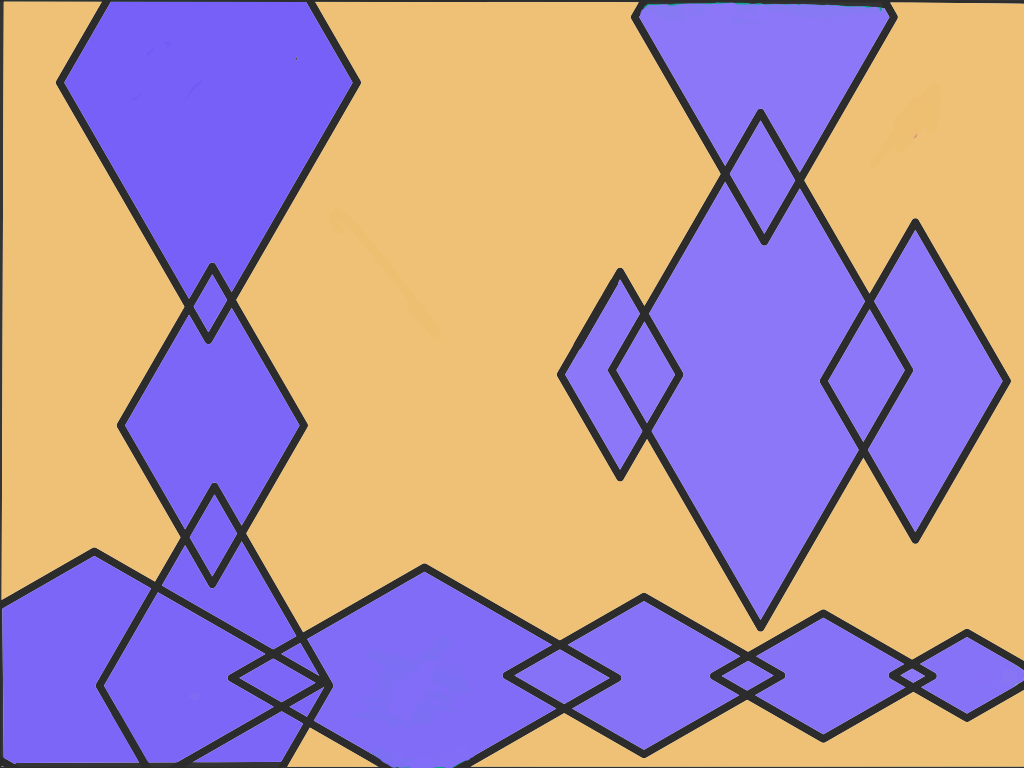
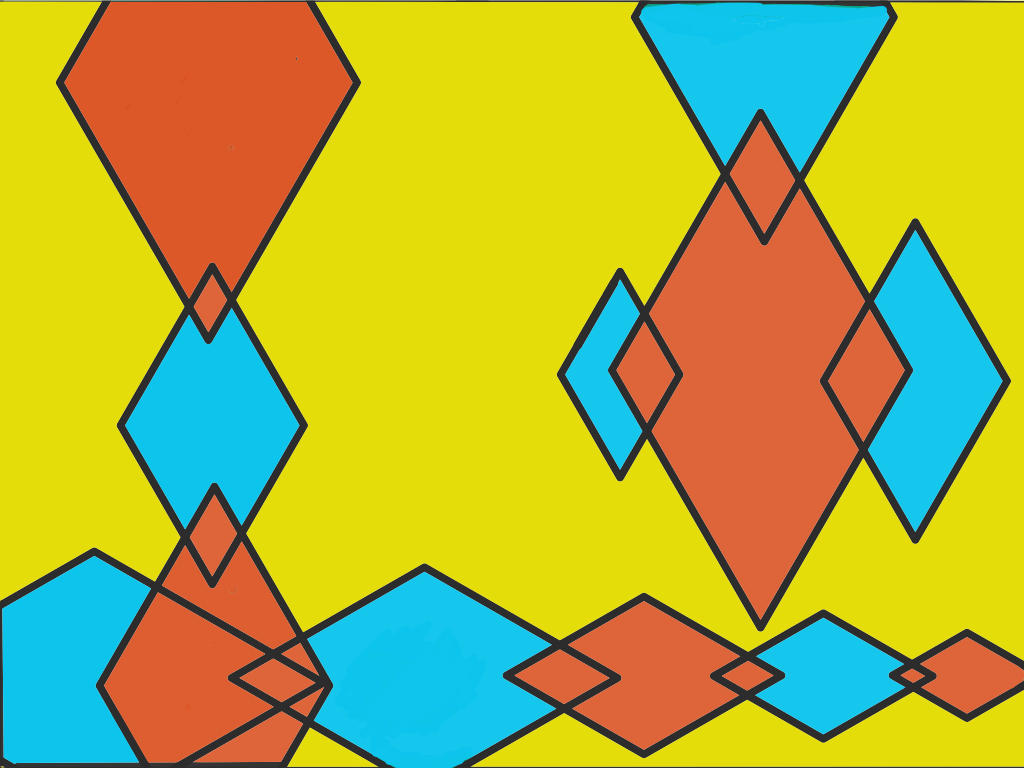
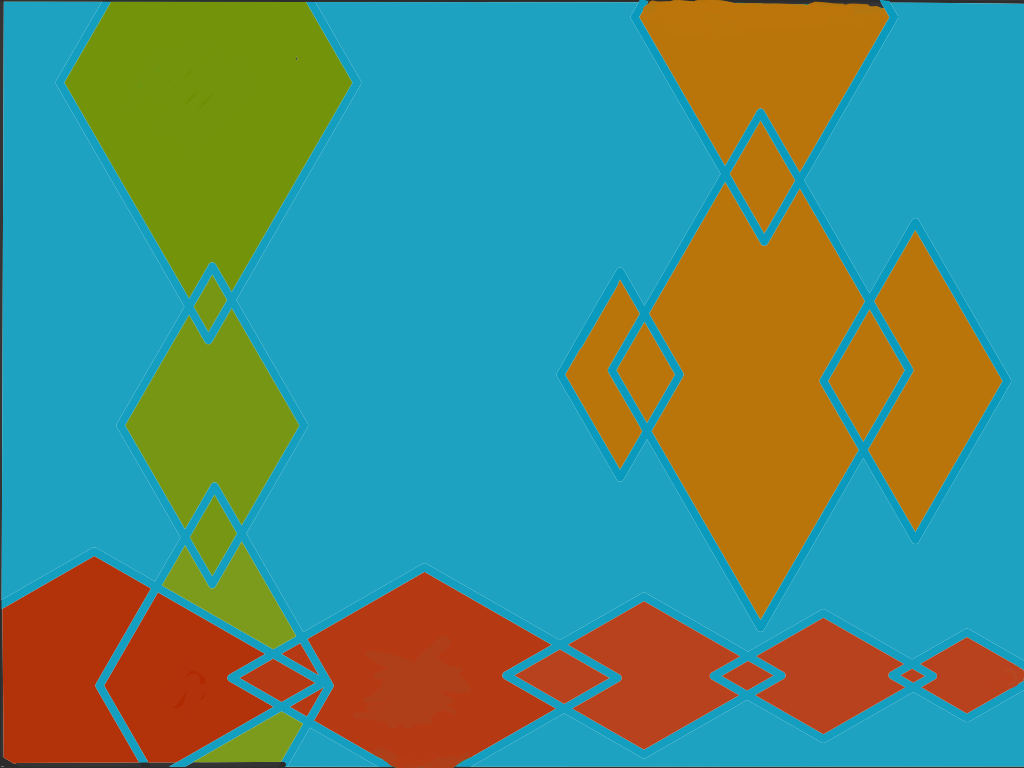
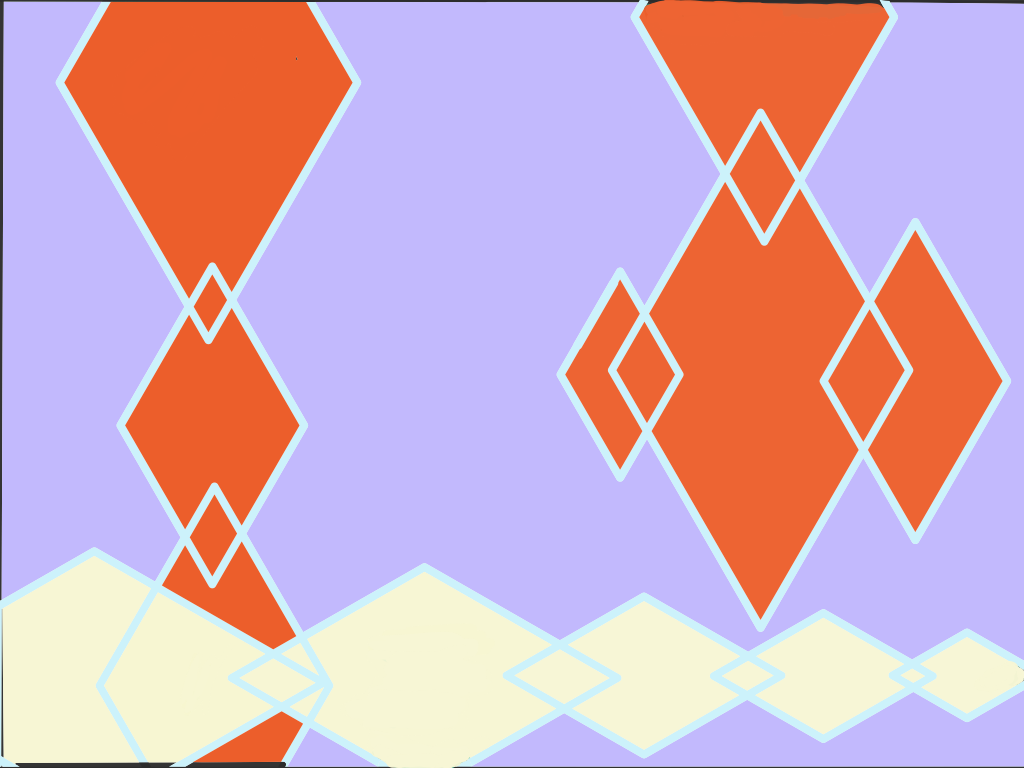
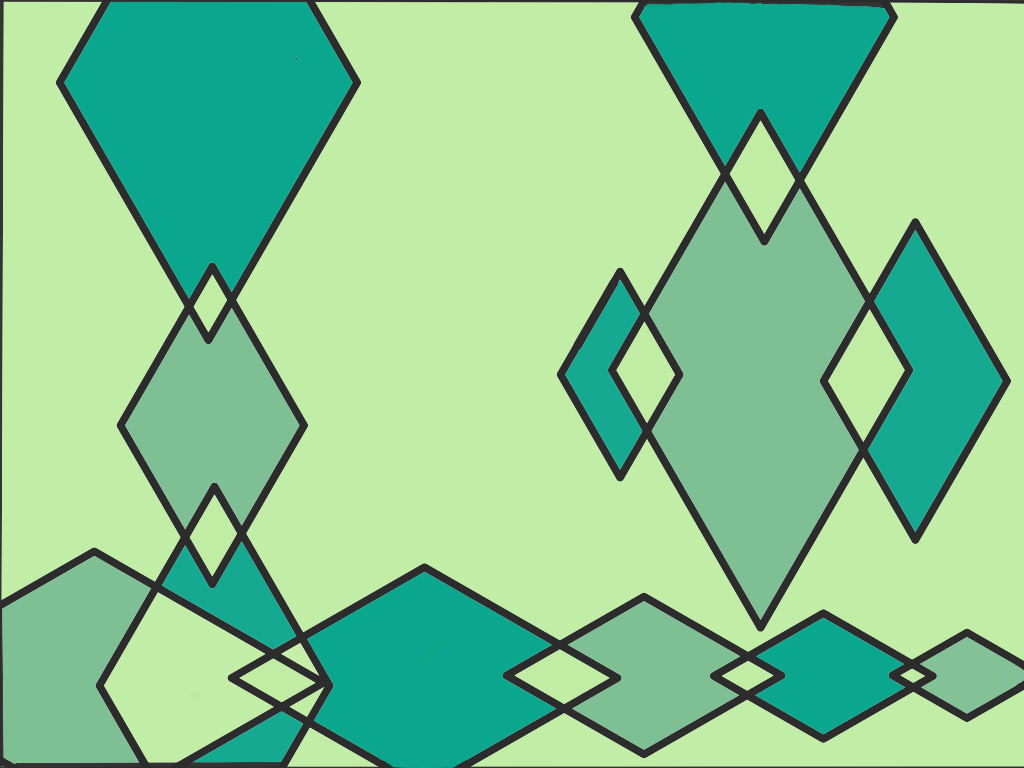
Here are my 6 Line Shape Drawings with color, coloring really was the fun part by trying to find colors that matched well
Chapter 10: Illusions of Space Summary

Intro

  • Art takes space which can be incorporated to 2-dimensional and 3-dimensional
  • Space gives the illusion can can get rid of flatness
  • Surface and Depth can push a space forward
  • Picture plane – when a canvas is not seen as flat but can be seen as a whole form and plane
  • Foreshortening – when an angle size looks essentially big from distance

Showing Depth

  • Changing and varying size is a tactic to create distance
  • Using Abstract shapes can show space more easier
  • Exaggerating Scale can clearly tell a sense of size and distance
  • Overlap – combing and hiding parts is good for the illusion
  • Vertical Location – spot of how high or low an object is can show ground
  • Aerial Perspective shows distance from how far away things are
  • Plan and Elevation – show placement of objects
  • Perspective helps with giving a visual point for sight
  • Linear Perspective – line to show horizon
  • Vanishing Point – where all lines lead to
  • Monocular – single point
  • One Point Perspective – one easy rhythm that lines follow
  • Two Point Perspective – two lines are used to show background with an angle
  • Multipoint Perspective – technique with multiple parallel lines

Amplified Perspective

  • Special view pointed specifically to viewer
  • Example – Uncle Saw “I want You” pointing to viewer

Multiple Perspective

  • More than one vantage point can be looked at

Axonometric Perspective

  • Using grids and coordinates to form points

Open Form/Closed Form

  • Closed Form – objects placed for our eye to stay within range for center
  • Open Form – objects pointed outward from normal boundaries

Transparency

  • Transparency when nothing is hidden and everything is seen completely
  • Equivocal Space – spacial pattern changes depending on how it is looked

Chapter 13: Color Summary

Intro

  • Color is in everything and a visual perception to the world
  • Additive System – Colors from Lights
  • Subtractive System – Color from pigments
  • Primary Colors – Red, Green, Blue
  • Primary Colors combined equals to white light
  • Complementary(opposites) – create neutral grays
  • Pigments reflect less light

Color Characteristics

  • Color is a product of light and varies depending on time of day
  • Color Constancy – when the mind insists despite evidence
  • Color can change in different surroundings
  • Certain reflections give feedback to color

Properties of Color

  • Hue – name of color
  • Hues can transition into many other colors of the color spectrum
  • Pink, Rose, Scarlet, maroon are classified as the hue red, possibilities are infinite
  • Color Wheel – organization and relationship of colors
  • Primary colors – Red, Yellow, Blue
  • Secondary colors – mix of any two primaries
  • Tertiary – mix of primary and adjacent colors
  • Value – lightness and darkness of a color
  • Intensity(Chroma) – saturation of a color
  • Tint – color added in light/white
  • Shade – color that is darkened/black
  • Mixing with gray or complement color can lower or higher intensity
  • Afterimage – effect given when staring at a color and quickly glancing away
  • Retinal fatigue – Long exposure to one hue can lead to different perceptions

Palettes

  • In a digital color wheel, a hue can be noted differently by degrees
  • There is a letter H for a hue, letter B for light level, and letter S for the saturation
  • (R,G,B) means red, green, blue
  • (C,M,Y,K) means cyan, magenta, yellow and black
  • A painters palette is from minerals with different hues, saturation and mixes

Visual Color Mixing

  • Pigments allow to create new colors
  • Familiarizing the process can lead to different mixed instead of muddy colors
  • Visual Color Mixing/Optical Mixture – two pure colors are being mixed
  • Pointillism/Divisionism – juxtaposed color mixed for different color sensations

Cool/Warm Colors

  • Identified by sense of touch not sight
  • Example – Red/Orange refer to fire so warm, as blue refers to sky/water so cool

Color as Emphasis

  • Color is often planned to direct or show significance
  • From rearranging color contrast, or use of bright and dark colors even shapes and ground color

Color and Balance

  • Having a visual balance in a composition is useful for attracting attention
  • Adjusting Color that fits in a space/environment can create a sense of symmetry in the work

Color Schemes

  • Specific color schemes are called color harmonies
  • Monochromatic Color Scheme – includes one hue
  • Analgous – colors that sit next to each other on color wheel
  • Tonality – dominance of a single color hue
  • Triadic – 3 hues equal distance apart
  • Complementary colors – Opposite colors that complement

Color Discord

  • Colors that do not fit with each other
  • Meant to show unbalance or negative effect but also visually interesting

Color Uses

  • Local color – the identifying color of an object such as banana is yellow
  • With light, color changes
  • Heightened Color – exaggerated and can be used with mood

Emotional Color

  • When color is used that can connect and respond to a feeling or atmosphere

Color Symbolism

  • To associate color with a message or saying

Chapter 12: Value Summary

Intro

  • Value – meaning for light and dark in design
  • Achromatic – when there is no color but only black and white
  • Value Contrast – relationship of light and dark areas

Value Pattern

  • Value pattern – is the arrangement of light and dark and the variations
  • Chiaroscuro – Showing volume in a drawing depending on the light and dark levels
  • With low or high values, the composition can be manipulated

Value as Emphasis

  • Attracting attention is the basis of Emphasis when there is a strong focal point
  • Scattering the contrast levels is good for the viewer

Value and Space

  • Showcasing volume and space is important
  • To reduce flatness, adding 3 dimensional form is important
  • Controlling the lines is useful to show ground from the figure
  • Aerial – sense of coming forward
  • To give off a impression of distance

Technique

  • Shading – adjusting of Value
  • Picking materials and medium
  • cross-hatching – line variations with repetition
  • Mixed Media and Visual Grays

Project 3: Composition

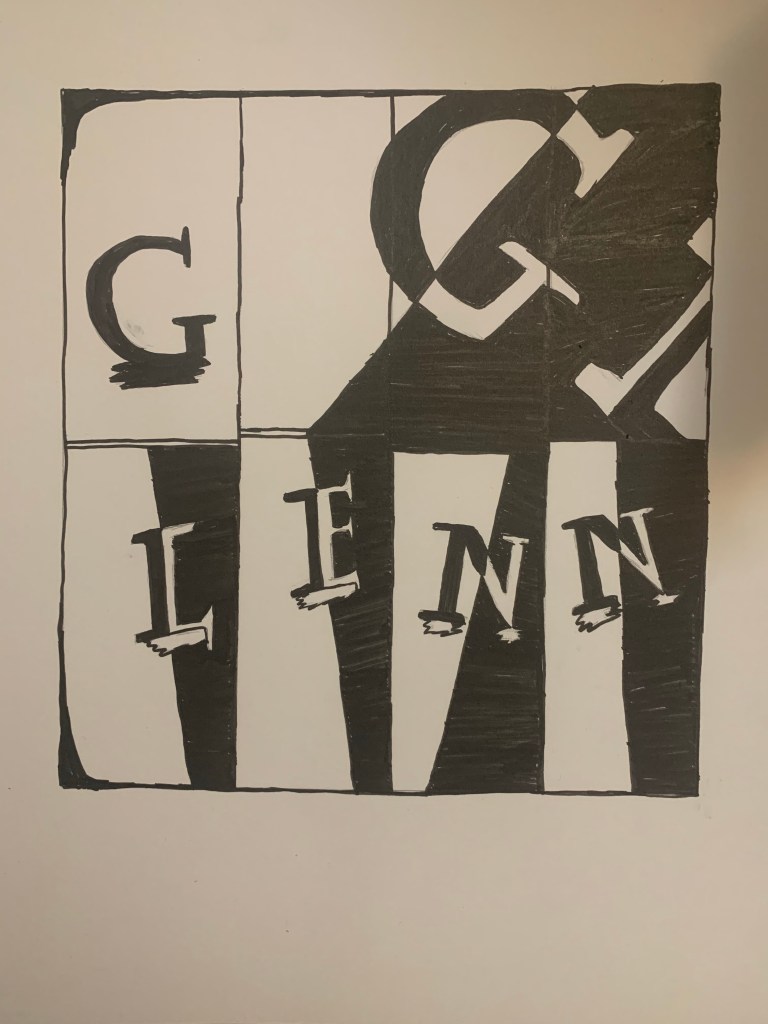
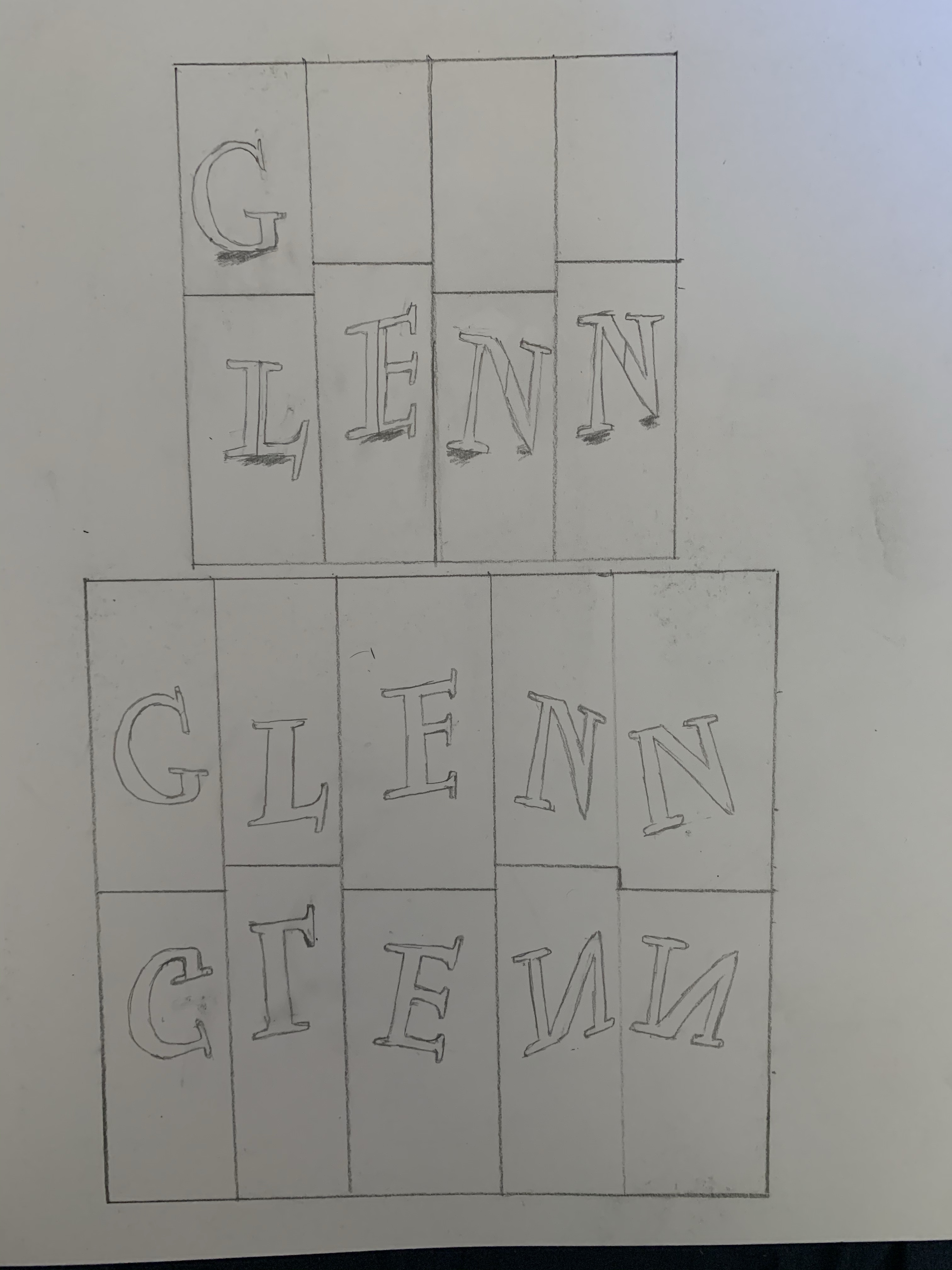
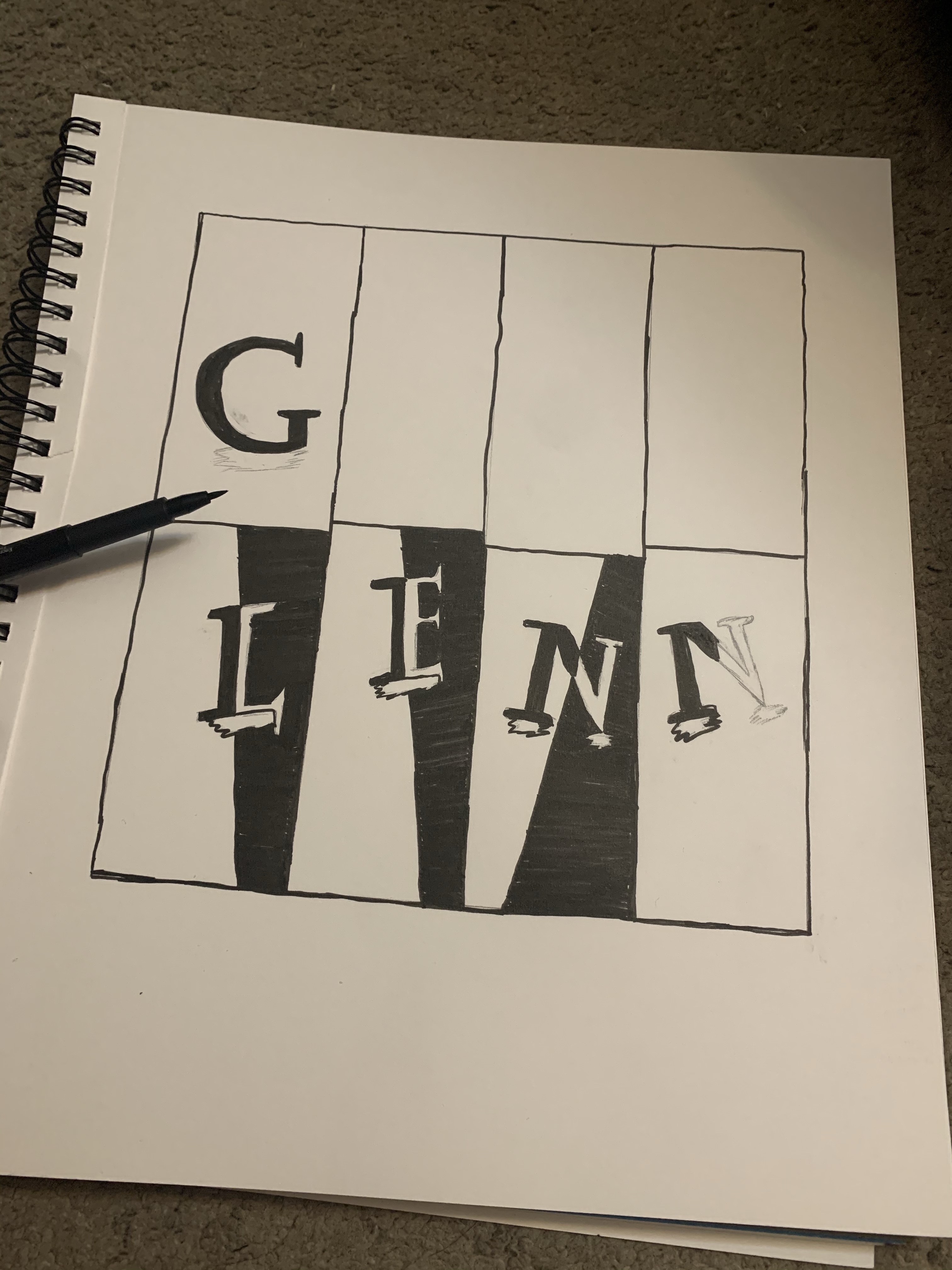
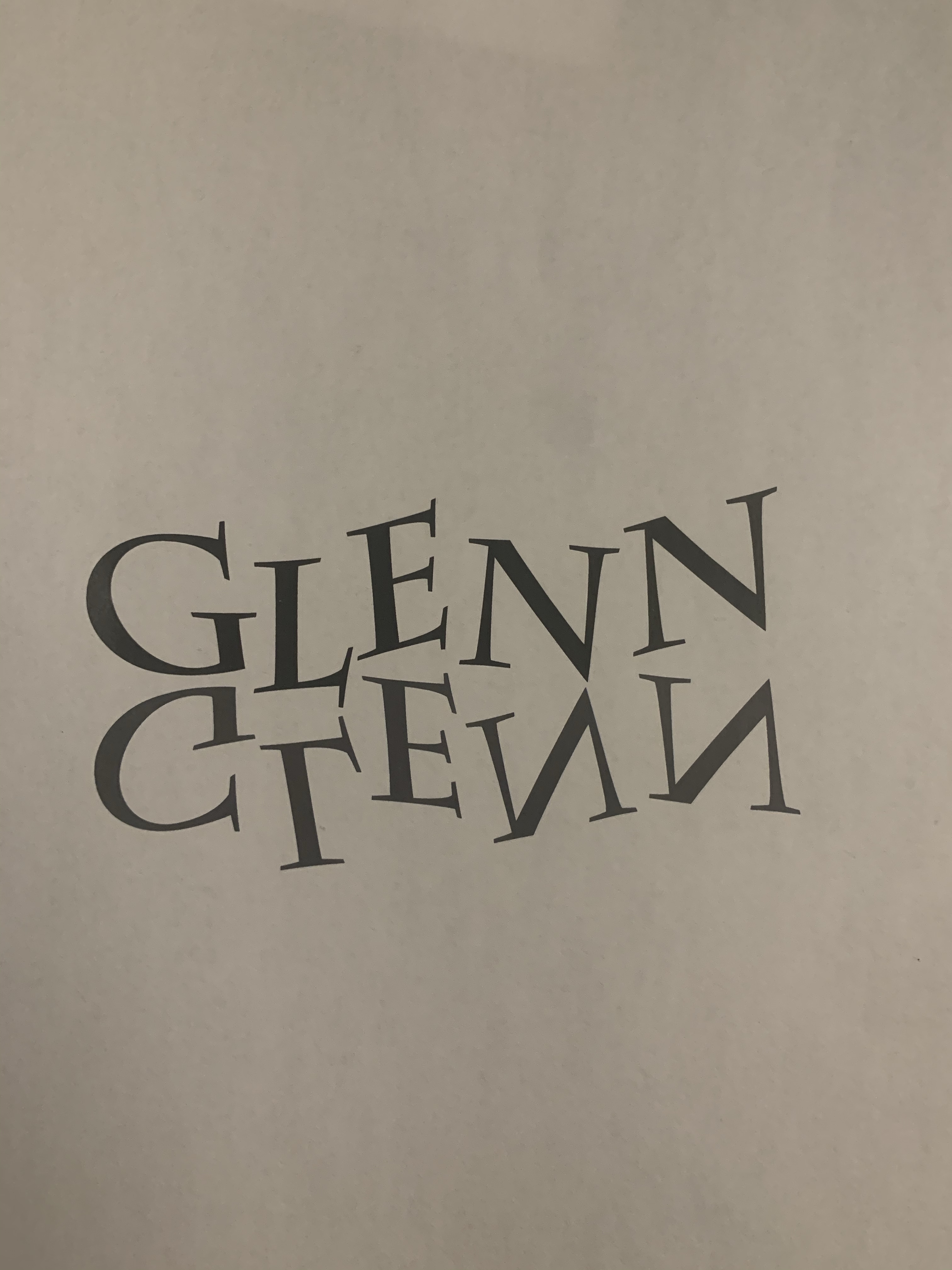
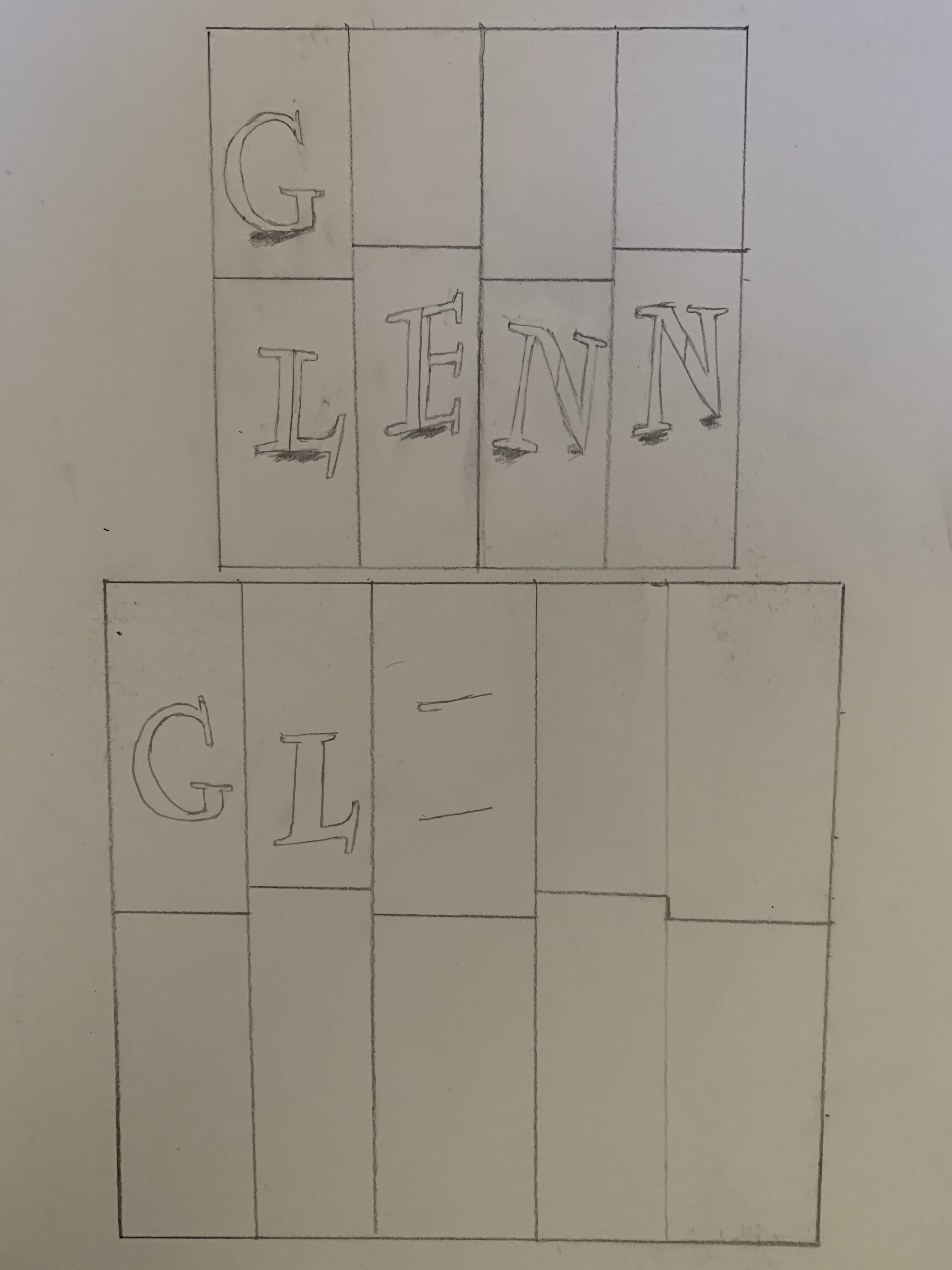
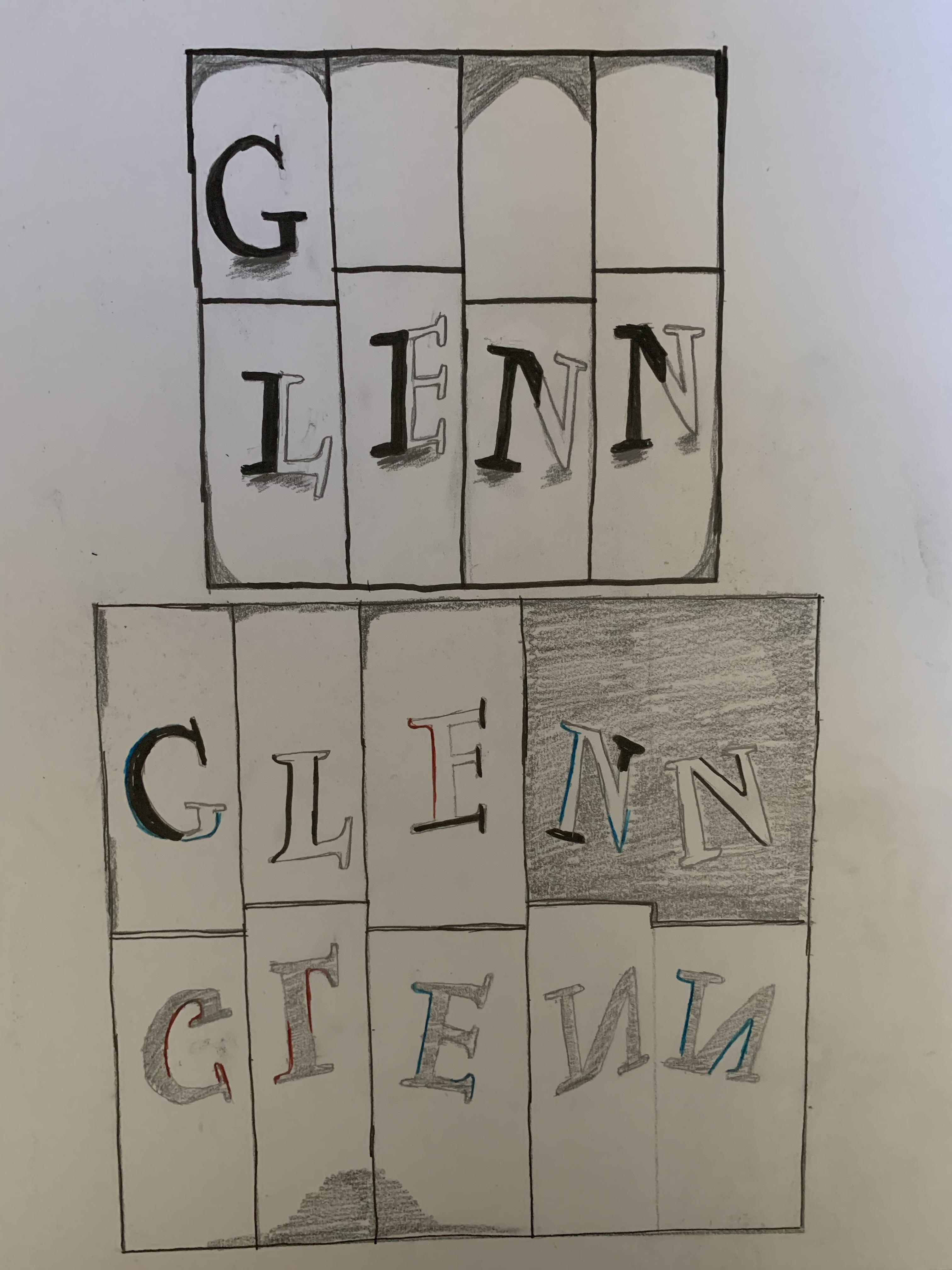
Final Idea For Composition Project

For this project, staring off I sketched my idea of a grid that was 2×4 and 2×5. Designing it to make it look not to complex but Simple. Then as I progressed, I looked into Alternating Rhythm and I knew I wanted bold and white Value where my name is designed. Then My final idea I made a grid, on paper that was a larger scale. The dimensions are 8.5 by 9 inch and I used Faber Castell pens to darken letterings and background.