Chapter 6: Rhythm Summary

Intro

  • Shared connection with Visual and Music Rhythm
  • Kinesthetic empathy – a visual experience that strikes a sense in our mind
  • Different designs such as curves, repetition, when looked at can a create sound in the head similar to real sounds
  • Rhythm is commonly related to sound, but visually it can be a sense of movement and repetition

Rhythm and Motion

  • legato – meaning
  • Shapes and arrangement is key besides colors and lines
  • Constant movement can give a sense of a fast state and use of transitions can be applied
  • Manipulating stokes to create irregular movement can also be used to give off a unique rhythm

Alternating Rhythm

  • When there is a sequence and order to the pattern to know what is expected
  • repeating lines and colors with different and alternating directions help in getting attention

Progressive Rhythm

  • progression of repetition with regular changes
  • Inherent Rhythm – obvious repetition with subtle small progression

Polyrhythmic Structure

  • complex rhythm
  • use of several different rhythm patterns
Chapter 5: Balance Summary

Intro

  • Balance is imbued to our way of living
  • Uncommon or any lack of balance strikes question
  • Pictorial Balance- to see an axis with equal weight
  • Equilibrium needs to exist

Imbalance

  • When balance is off and uneasy
  • Useful to create tension
  • Helps to give off a certain effect and plays a narrative

Symmetrical Balance

  • also called(bilateral symmetry) – when one side is a mirror image to another
  • In Beauty, when there is symmetry, generally it is perceived as a certain standard
  • Constant repetition of symmetry is static
  • Formal Balance – meaning perfect
  • In nature, symmetry is used for significance

Asymmetrical Balance

  • Different objects with equal visual weight
  • also called(Informal Balance) – in life most experiences can be described as asymmetrical and not perfect
  • Can be planned and factored with the use of different placements
  • Incorporated with use of different value, color, silhouette
  • Changing texture and patterns is important to capture the eye
  • Finding casual and unusual place spots
  • Combining all the balance and symmetry into one composition

Radial Balance

  • Use of circles that radial from a center
  • Commonly used in many forms and and also works from forms of symmetry and asymmetry
  • Flows outward and has emphasis on middle point

Crystallographic Balance

  • also called(allover pattern) use of repetition with same elements and a certain quality
  • Pattern that repeats and can be seen as a whole and common in quilts

Chapter 4: Scale and Proportion Summary

Intro

  • Generally meaning and related to size
  • Proportion thought is relative size and can be used as comparison
  • Scale is different measurements

Scale of Art

  • Consider the whole
  • The Unusual Scale – a natural looking scale difference

Scale Within Art

  • Consider the internal scale and designs
  • Having different alignments and relationships
  • Contrast of Scale – show exaggerated and unexpected scale
  • Show something big and small together for showing relation

Manipulating Scales

  • Change of scale to emphasize an idea
  • Hieratic Scaling – when the size deliberately changes to show a focal point of importance

Proportion

  • Linked to Ratio
  • Body wise – 7 heads tall is ideal
  • Golden Rectangle – (w:l as l:l + w) known to many in design
  • Root Rectangle
  • Using Geometry is a good alternative in design techniques

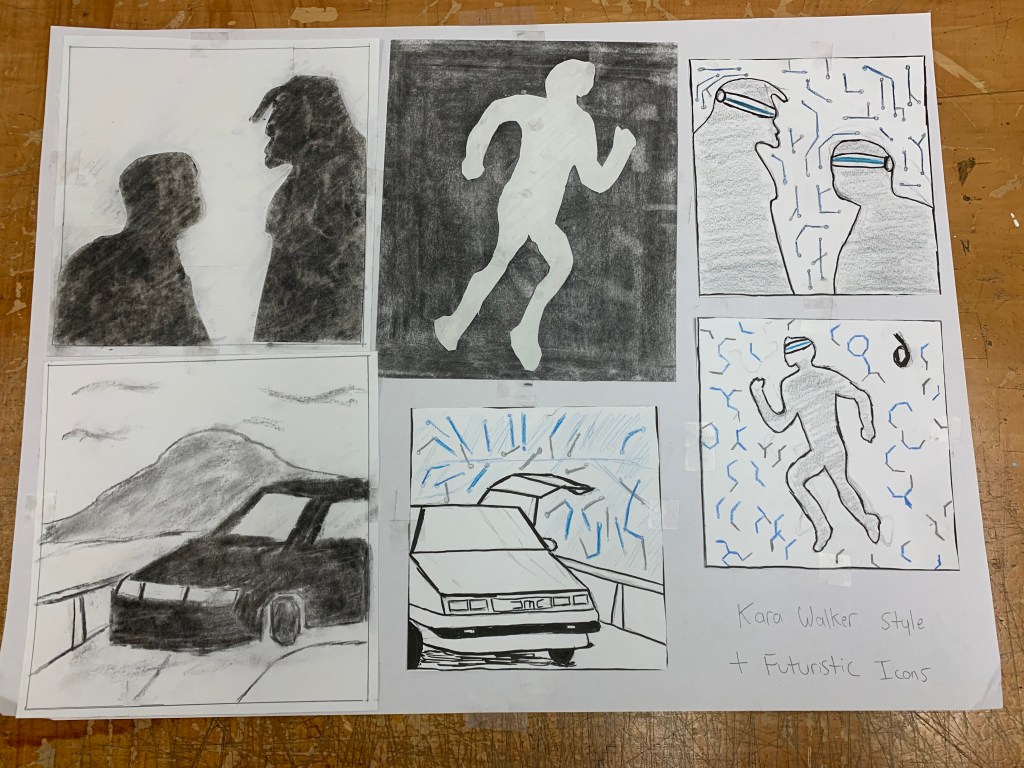
Project 2: Making Icons and Abstracting to Icons

Final Project
Process Photos

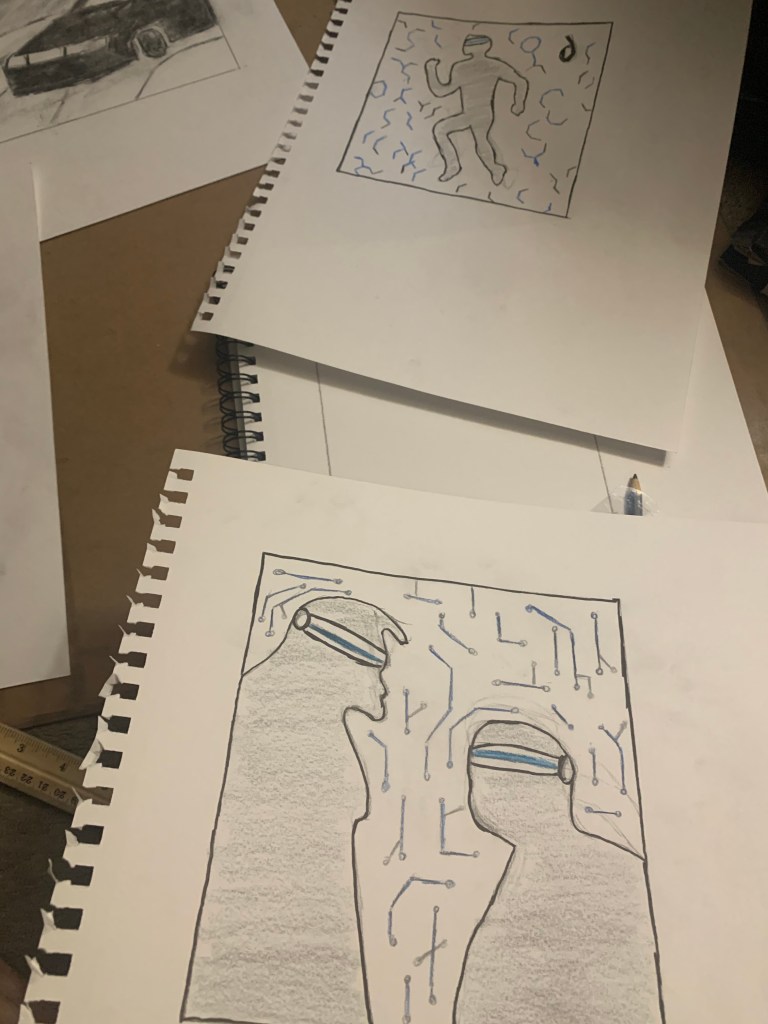
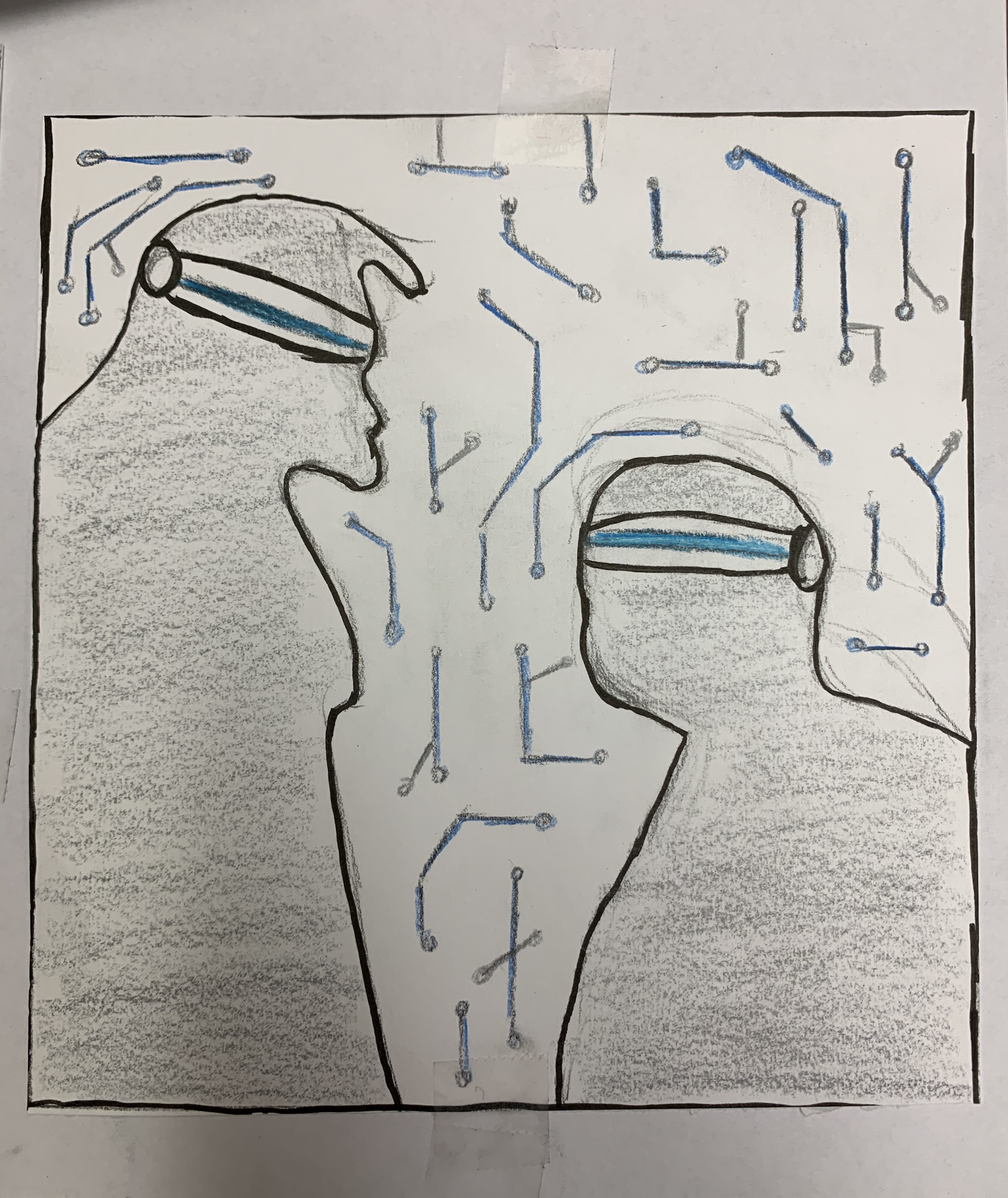
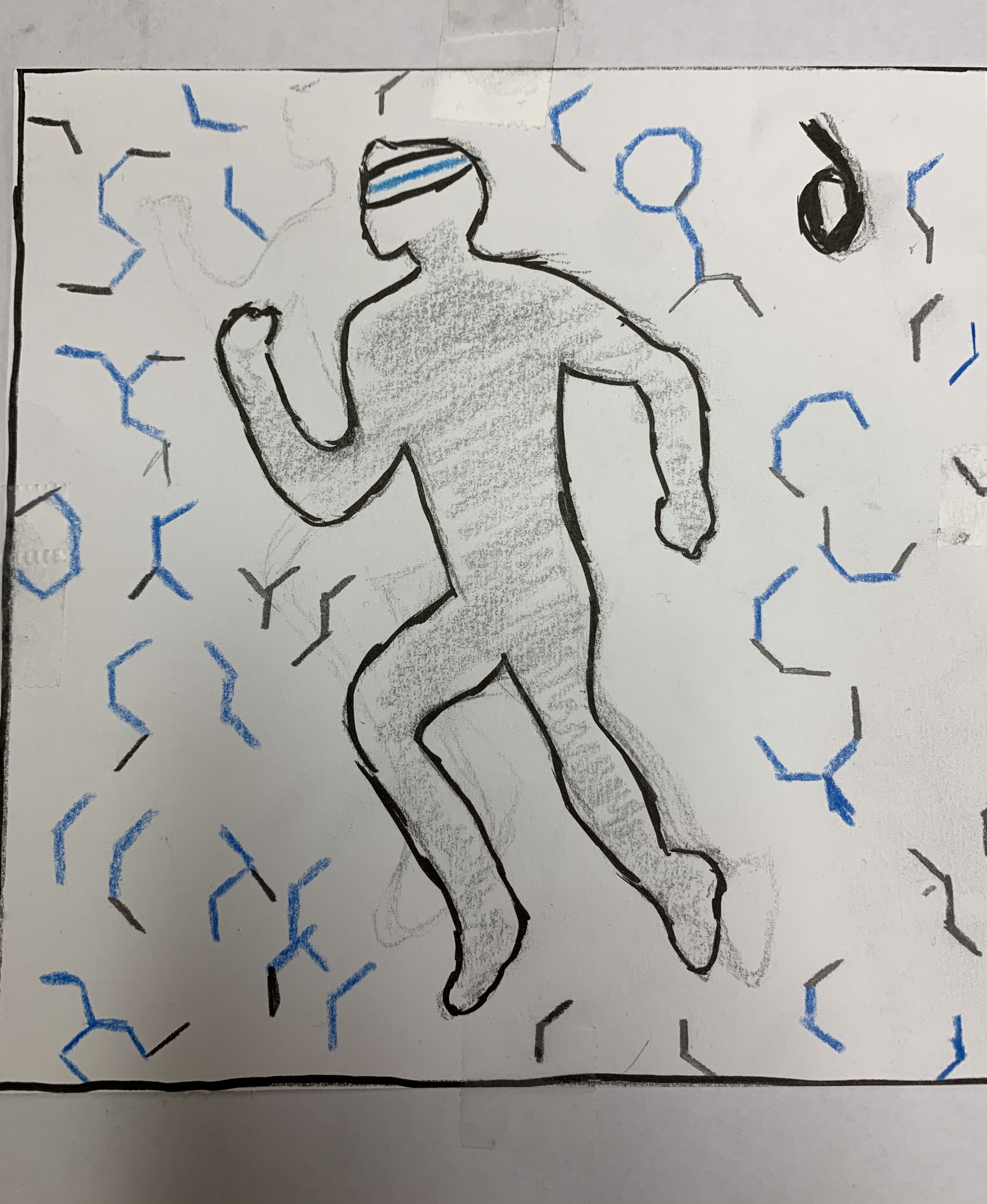
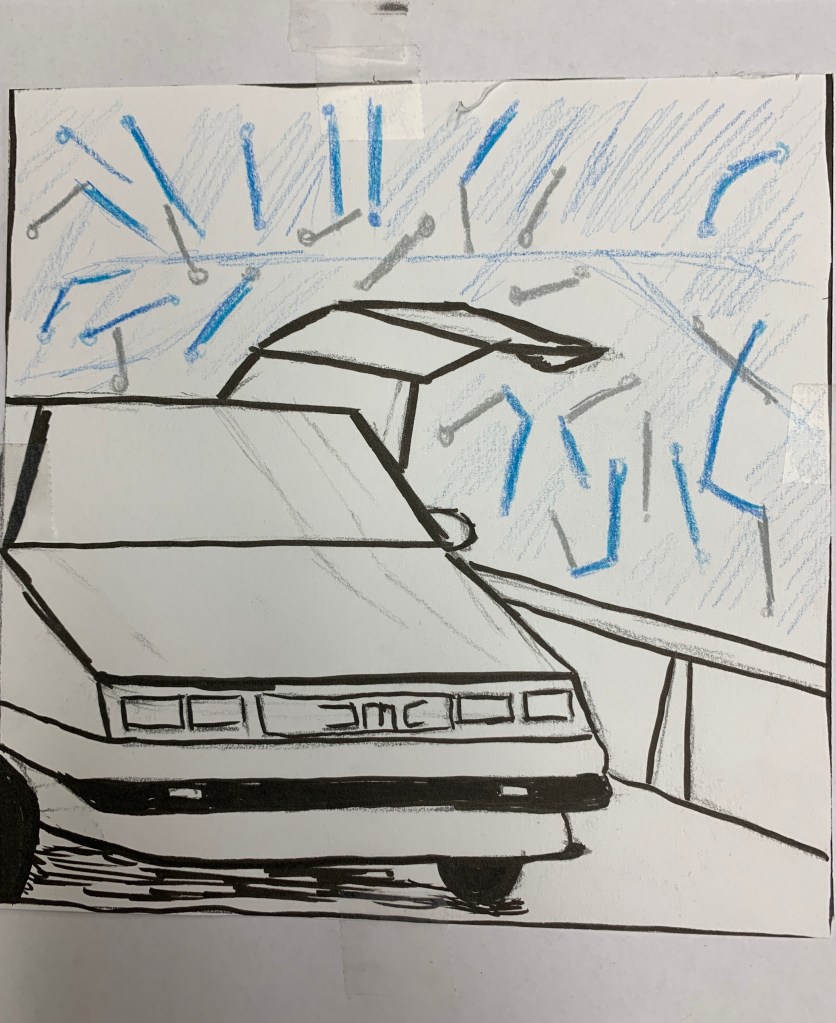
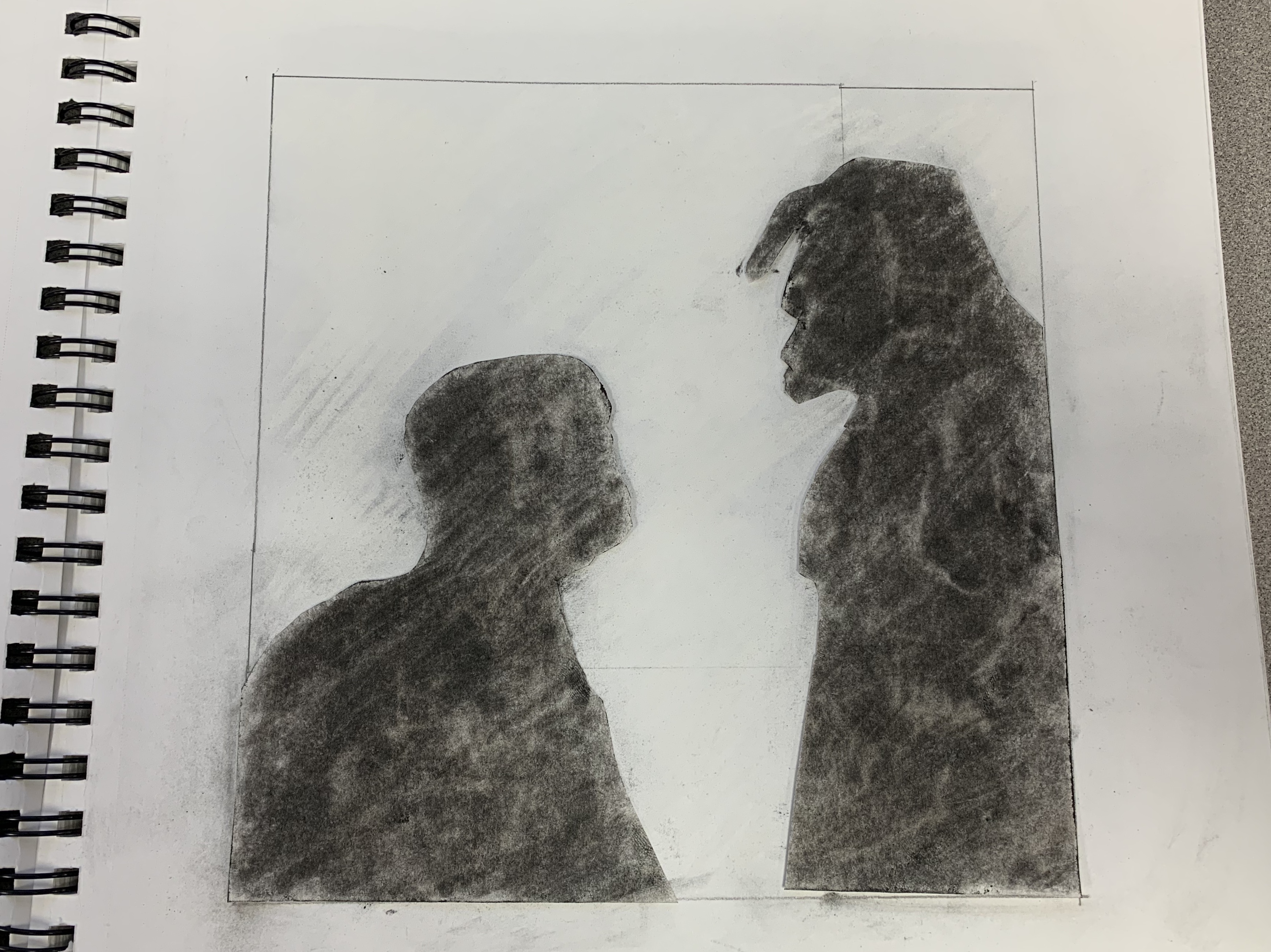
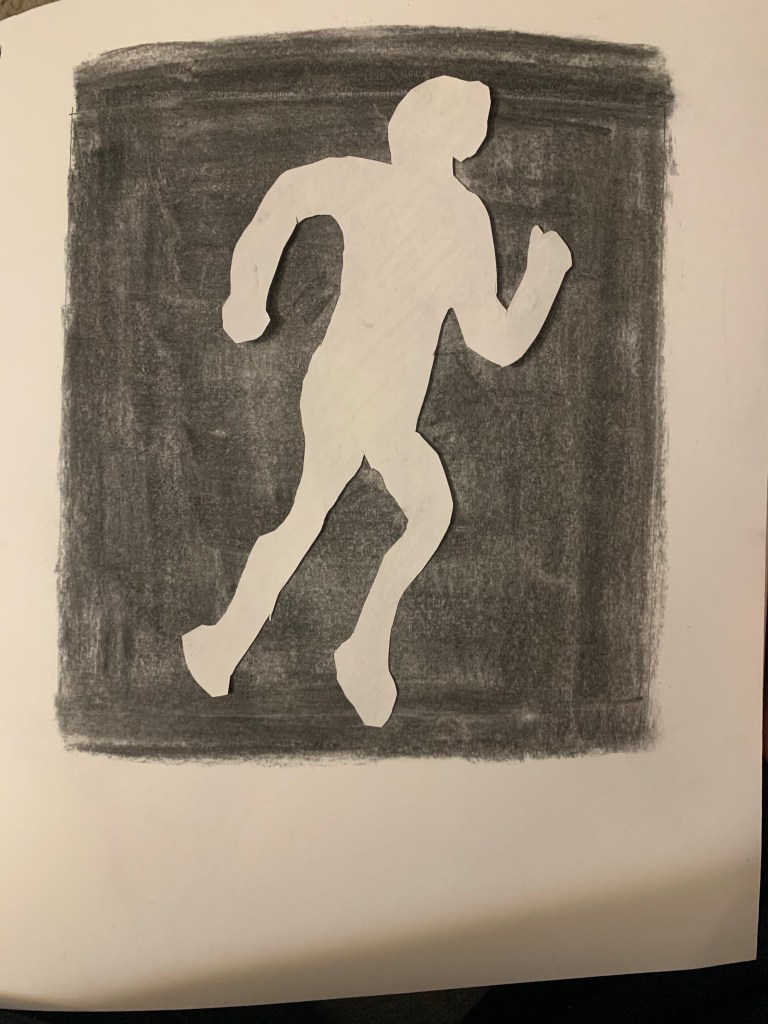
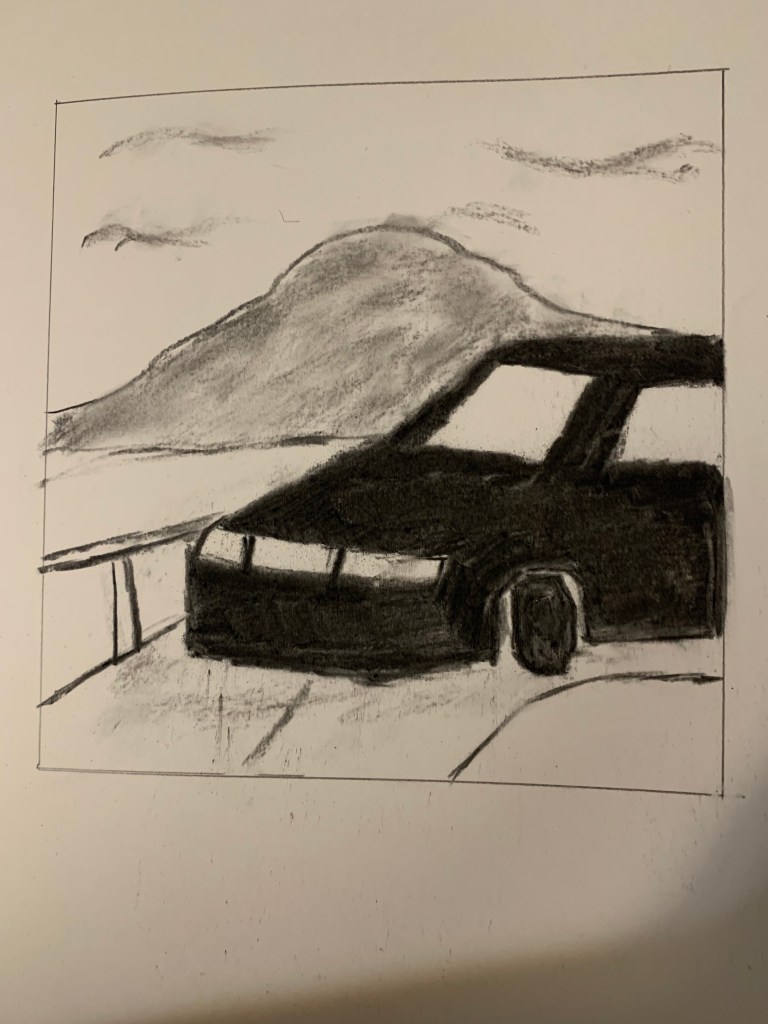
This was the Second Project. Making the Icons were a lot of Fun. The first week we had to make 3 Icons in the style of a chosen Artists and I chose Kara Walker. I did a lot of black and white to resemble her style. Then for week 2, I had to do Icons with a chosen affect/Mood and I picked Futuristic. I had inspiration of the internet and movies so I went with a cool design that was futuristic and included technology patterns. In the end I taped it all up to a large white paper.

Chapter 9: Pattern and Texture Summary

Intro

  • Pattern – element of design that includes repetition
  • Linked to decoration
  • Way to capture attention with a visual design
  • Tessellation(tilting) – pattern created that slides along an axis

Texture and Pattern

  • Texture is related to pattern but different in feeling of touch of different materials
  • Feeling the surface and quality of object coincides with texture

Tactile Texture

  • Tactile means when texture is felt
  • Impasto is when a thick pigment is used to create a rough 3d surface

Collage – type of design that includes mixed materials like paper, cloth, etc and popular in folk art

Visual Texture – texture meant to be accepted by our eyes and not by touch

  • Verisimilitude – using a flat surface and showing that there is texture

Frottage – rubbing

trompe l’oeil – “to fool the eye”

Chapter 8: Shape Summary

Intro

  • Shape is a visual area that closes either by line or color and can also be called form
  • Figure – means an object
  • Ground – space between object
  • Rule of perception – convex to figure, concave to ground

Volume/Mass

  • Shape can be two or three dimensional

Naturalism and Idealism

  • Naturalism – the state of honest visual representation
  • Idealism – view from perspective of the world and standards

Naturalism and Distortion

  • Naturalism in shapes is clear and self evident
  • Distortions is the exaggerated and reworked shape

Abstraction – shape is simplified to the small essence and purest form

Biomorphic – shapes that refer to organic forms

Nonobjective – shape with no reference to object

Curvillinear – shape that follows a curved plane

Rectillinear – shape that follow a rectangular plane

Positive and Negative Shapes – example where a black shape is positive and the empty white space is the negative

Chapter 7: Line Summary

  • Line defined as a point with a direction in motion which can tell edges of a shape and the artist hand/point
  • Lines convey mood and feeling
  • Contour Drawing – outlines that refer to edge of a shape
  • Cross Contour – defines a form
  • Gesture – capturing the moment of subject which involves quick lines
  • Inherent Lines – tied to geometry and the line presence is recognized
  • Implied Line – when a line makes the eye notice clearly
  • Psychic Line – line that follows a figure and relates to human connection
  • Variety and Emphasis – putting adjectives like thin ans smooth before line to show possibilities
  • Mood and Motion – changing a lines features rather then shape or form
  • Dark and Light – change value
  • Lost and Found Contour – when there is a sharp visibility that blends into darkness