Kara Walker – Style and Summary

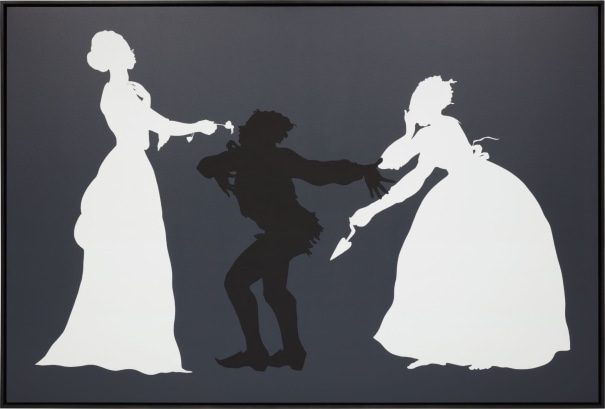
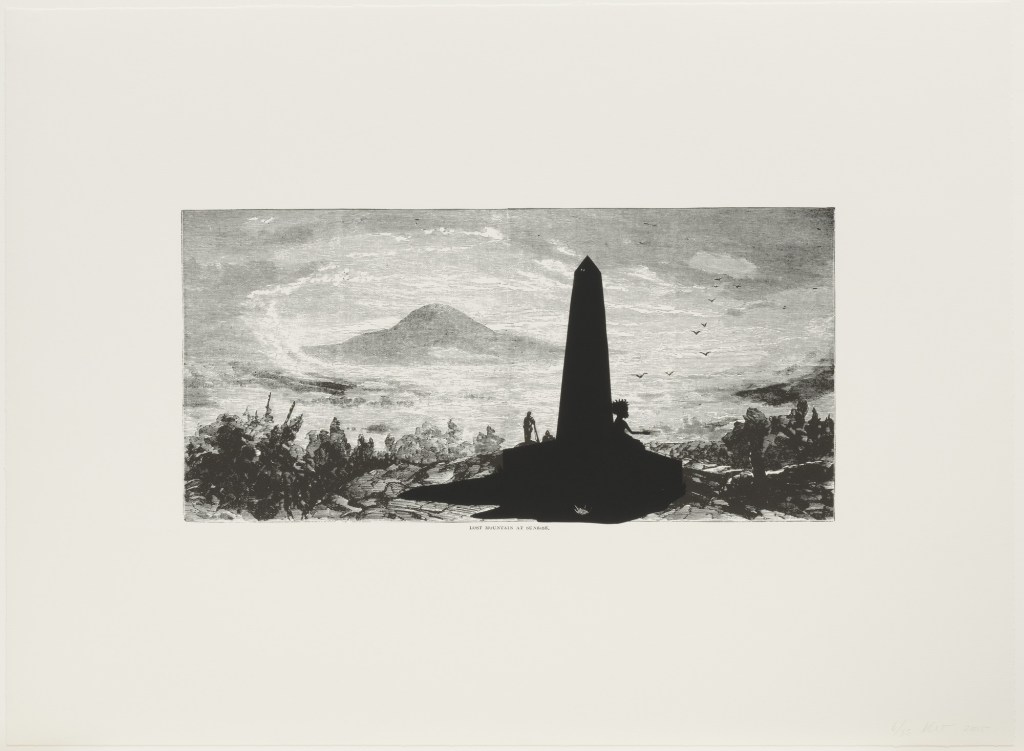
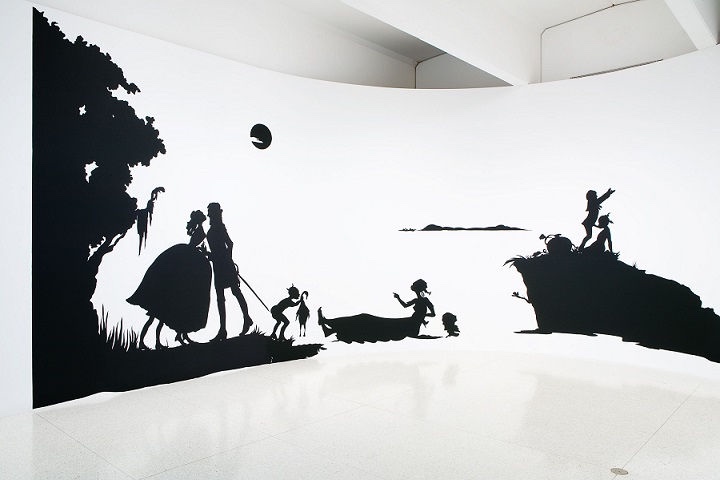
Kara Walker is an artist from California, who went to Rhode Island School of Design. At a first glance, many of her art has a similar style. Which includes two toned black and white drawings and of figures that are the highlight. Her artwork ranges from being a silhouette artist, painter, installation artist, print maker and more. But Walker’s work is actually a lot more complex and deep from just one look. Walker is famously known for her silhouette figures, which explores areas in race, gender but also the figures/characters are known to give a certain violent type of atmosphere. Her style goes over history of slaves and she adds a storytelling depiction in her work. Kara Walker does lots of paper cutting of life sized figures into her artworks. Some images of her work that I found interesting are included below.
Source: https://www.moma.org/artists/7679?locale=en&gclid=EAIaIQobChMIl9T23br05wIVkJOzCh3o9gYDEAAYASAAEgLj_PD_BwE&gclsrc=aw.ds

Lost Mountain at Sunrise from Harper’s
Pictorial History of the Civil War (Annotated)
2005
Gone: An Historical Romance of a Civil War as it Occurred b’tween the Dusky Thighs of One Young Negress and Her Heart
Untitled

Project 1 Blog

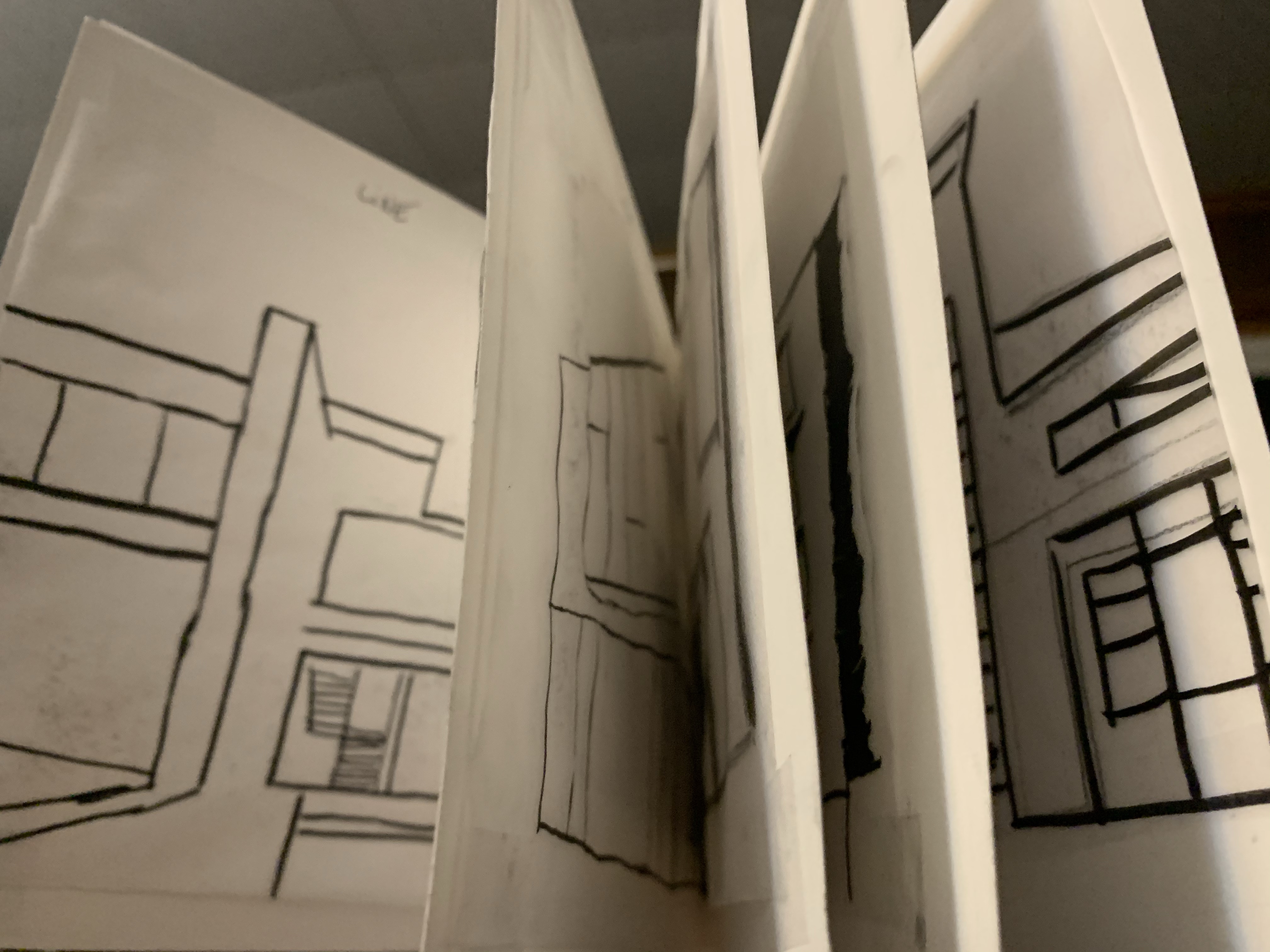
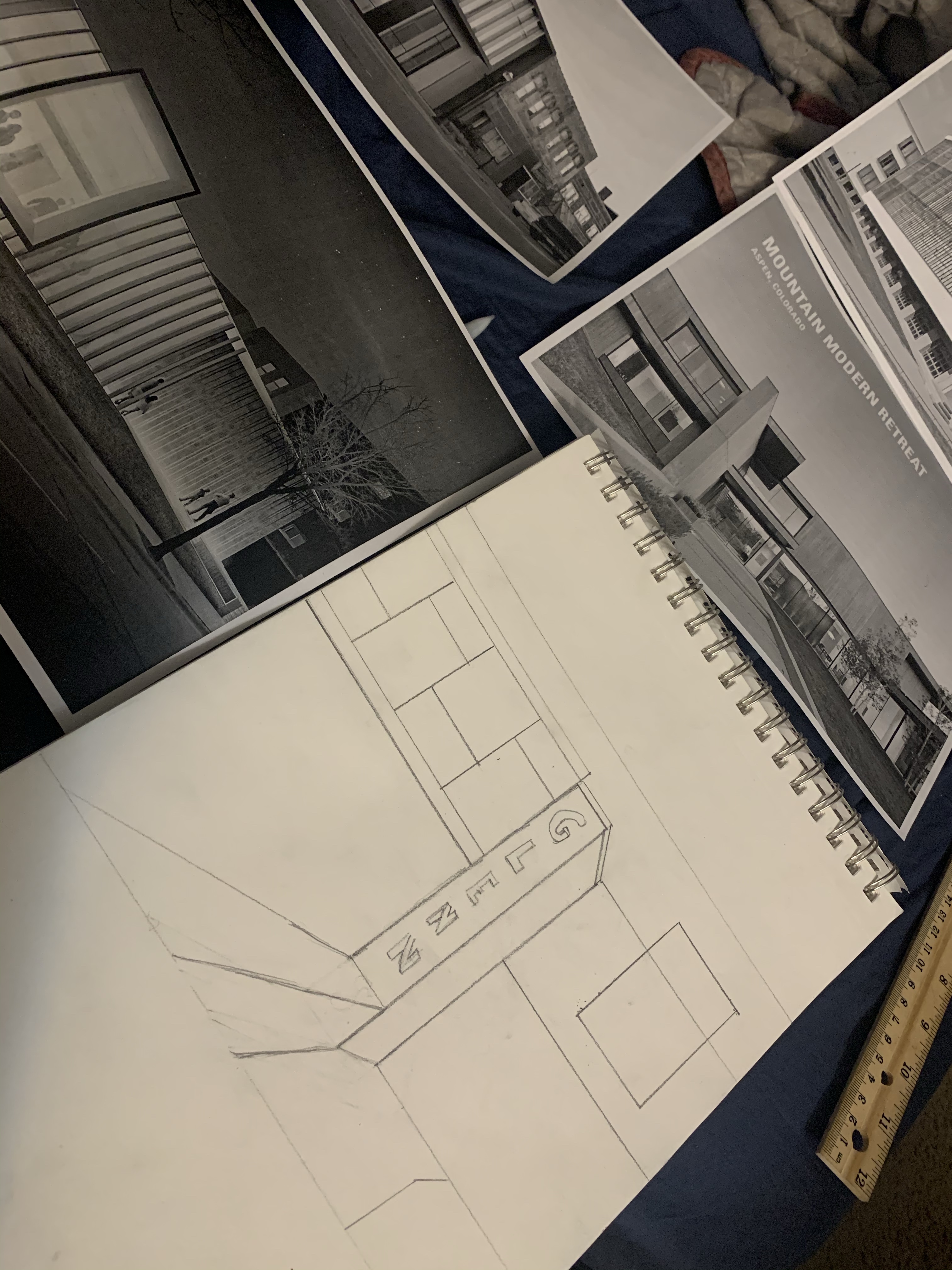
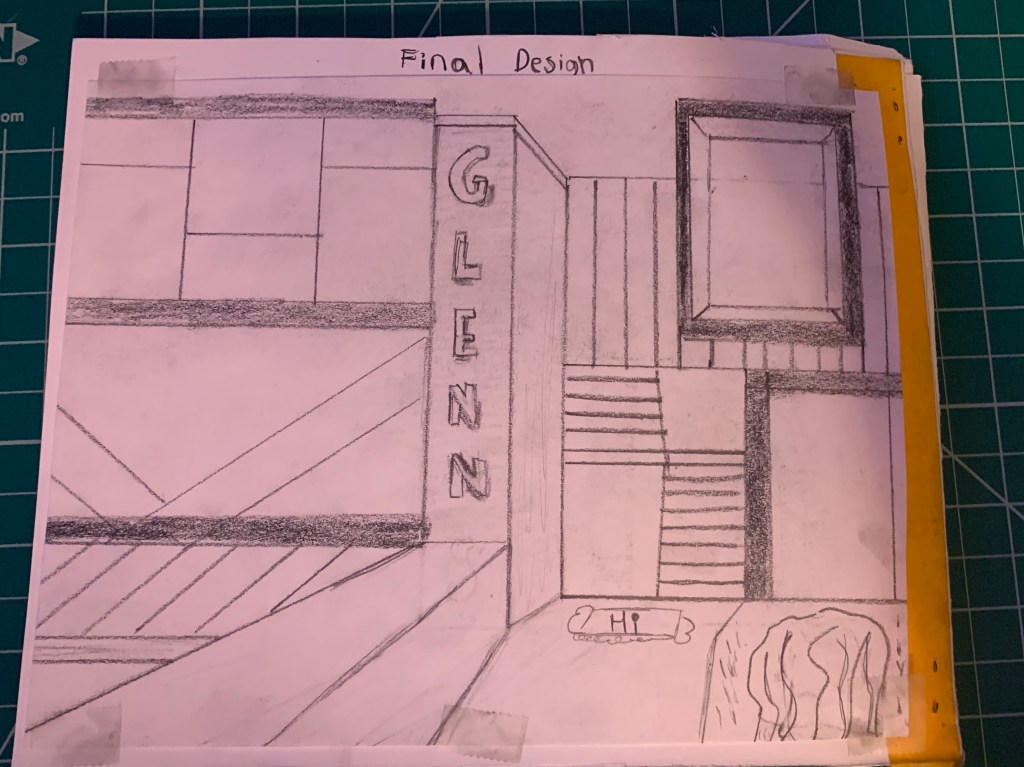
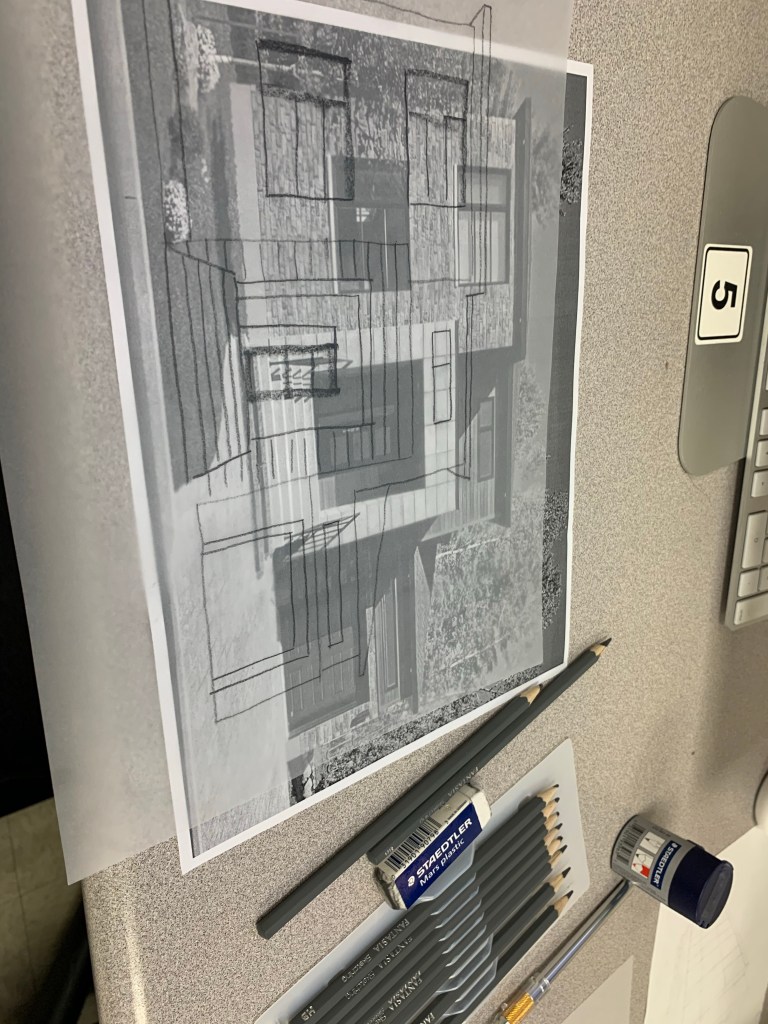
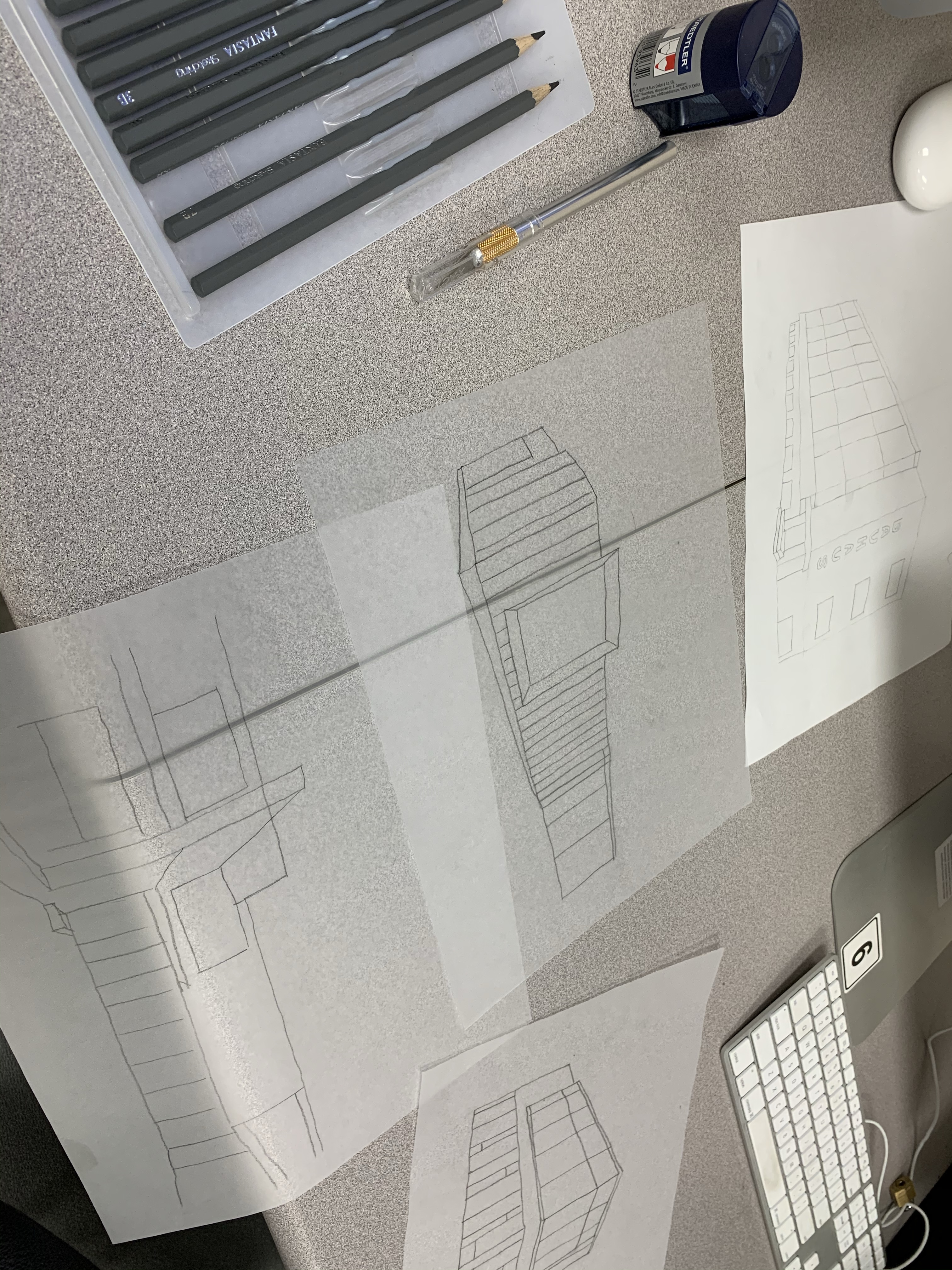
For this project the first step was to gather images of buildings. I chose modern and minimalist styles of building designs. At the same time, I was tracing buildings lines and layouts, Doing line and mass drawings to show subtle differences. I took images of the whole process and the final was organized into a book. Also, I combined the buildings and the favorite parts into my own building which is the last final design. I have included photos during the project.
Project One: Chapter Three -Emphasis and Focal Point

Intro

  • Attracting Attention – a focal point is useful in catching the audience attention
  • Examples of point of emphasis include, lines leading up to the center, unique sizes, color and contrast and even close ups
  • Bad scenarios are when details in a design look the same either in scale or shape
  • Focal points can be more than one

Ways to Achieve Emphasis

  • Emphasis by Contrast – creating light in dark designs, a certain boldness, clear against blurred and white among black
  • Emphasis by Isolation – when there is no overlapping or clustered, and isolation/space is balanced well
  • Emphasis by Placement – using different points of view and having a equal balance

Degree of Emphasis

  • One element – Certain themes can attract the viewers eye
  • Maintaining Unity with a focal point – the focal point with unity is used to create a harmonius pattern

Absence of Focal Point

  • Emphasizing the Whole Over the Parts – sometimes emphasis can be on all of the parts of a design rather than a single point
  • the designer chooses the emphasize a whole surface

Project One: Chapter Two Summary- Unity

Intro

  • Unity means a visual connection of elements in design
  • Harmony exists through unity and is to show relation
  • Examples of designs include repetition or similarities in color
  • Visual Unity is important because parts and elements have to co-exist and have meaning so that the audience notices a pattern instead of little pieces

Gestalt

  • Gestalt is theory of visual psychology
  • Perception in which an artist makes clues for the viewer to find through pattern and unity

Achieving Unity

  • Proximity – making elements appear closer to show sense of belonging
  • Proximity needs to exist because it acts as a unifying factor in composition aka design
  • Repetition – element that repeats from colors, to shape
  • Continuation – when a line, or element continues from one to the next
  • Continuation is important to show how the eye sees a design and the directions control the eye to see the bigger picture
  • Grid – dividing a page in horizontal and vertical lines and grid acts as an aid to several designs

Unity With Variety

  • Starting with a simple design but making interesting changes to catch the audience eye
  • Changes that include different rhythms, light and shadow, texture and other arrangements
  • Strong emphasis on unity, repetition, variety, size, form , color, and gesture

Unity at Work

  • Unity in Film – dedication to script and the unification of people in wardrobe, lighting, and characters
  • Unity in Painting – finding variety, patterns, and attention to light are all unifying elements to think about